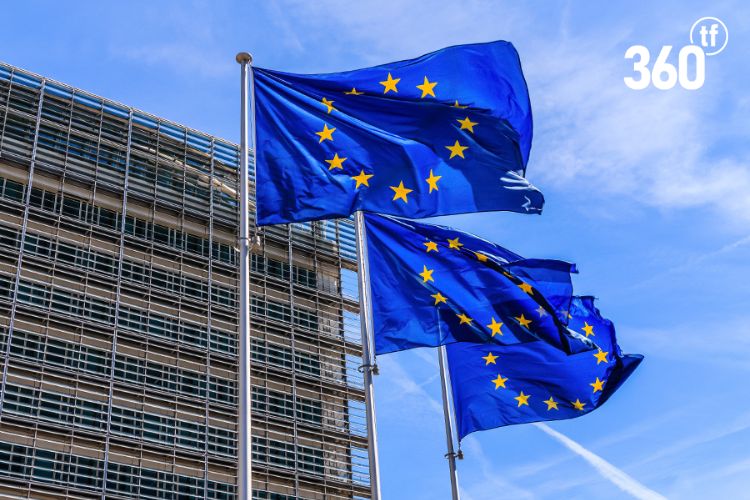
The European Union has officially begun the rollout of a world-first EU carbon border tariff. This new tax targets importers of emissions-intensive goods to prevent “carbon leakage.” On 1 October 2023, the EU initiated the transition phase of the Carbon Border Adjustment Mechanism (CBAM). Specifically, the scheme focuses on imports of iron, steel, cement, aluminium, fertilisers, electricity, and hydrogen. Consequently, this initiative ensures that the EU’s climate objectives remain protected while encouraging global industry to adopt sustainable technologies.
Managing the Transition via EU Carbon Border Tariff
Companies importing covered products must now collect volume data and calculate production emissions. Furthermore, businesses must submit their first quarterly reports by the end of January 2024. This transition phase allows the industry to adapt before the permanent system takes full effect. Because the EU carbon border tariff aligns with World Trade Organization rules, it creates a fair playing field. Therefore, importers must prepare for increased administrative requirements and reporting duties immediately.
Supply Chain Impact and Global Concerns
Experts warn that the move will have far-reaching consequences for major trading partners. For instance, the tariff covers both raw ores and downstream goods like screws and bolts. In the metals market, the EU carbon border tariff could prove devastating to certain sectors. A British steel representative flagged the impending impact of administration barriers and financial penalties. Currently, the EU stands as the largest export market for UK steel. Thus, the new rules directly affect three-quarters of foreign sales.
Economic Pressure on Developing Markets
Exporters in developing countries like China, India, and various African states face significant hurdles. Research suggests that CBAM could drive up the cost of importing Chinese aluminium by 17 per cent. Moreover, the cost for Indian aluminium products could leap by over 40 per cent. Analysis by the African Climate Foundation indicates that the tariff might reduce Africa’s exports to the EU by up to 5.7 per cent. Consequently, this shift could knock approximately US$25 billion off the continent’s gross domestic product.
Courtesy: gtreview.com