
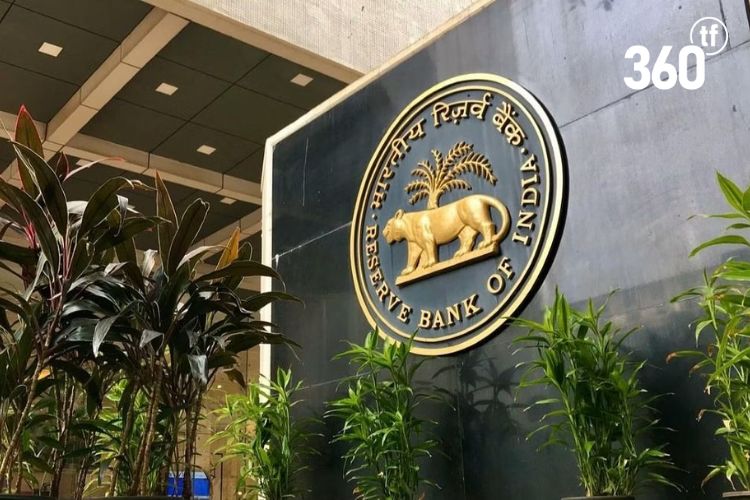
RBI FLDG guidelines now provide a clear path for fintech firms and their partner banks. The Reserve Bank of India (RBI) recently approved the First Loss Default Guarantee (FLDG) model. Under this arrangement, the fintech firm that originates the loan takes the initial hit if a default occurs. Consequently, this model strengthens the partnership between digital lenders and traditional financial institutions.
Understanding the DLG Regulatory Framework
The central bank recently released a formal regulatory framework for Default Loss Guarantee (DLG). Specifically, the RBI now allows regulated entities to enter into these arrangements within strict limits. A default cover can now provide for up to 5% of the loan portfolio of the entity. Furthermore, lenders must invoke the DLG within a maximum overdue period of 120 days.
This move follows earlier concerns from 2022. At that time, the RBI indicated that such arrangements might encourage lenders to take on undue risks. However, the new framework provides a structured environment that balances innovation with financial stability.
Cooling Off Periods and Compromise Settlements
The new RBI FLDG guidelines also introduce specific rules for borrowers. For instance, banks and non-banking financial companies (NBFCs) must implement a cooling off period for certain borrowers. This applies specifically to those subject to compromise settlements. Consequently, lenders cannot provide further credit to these borrowers during this time.
The RBI set a minimum cooling period of 12 months for non-farm credit. In contrast, the board of the lender will approve the specific period for farm credit. Additionally, lenders can now undertake compromise settlements for accounts classified as fraud. This also applies to wilful defaulters. A compromise settlement refers to an arrangement where the borrower settles the lender’s claim fully in cash.
Responsibility and Provisioning in Digital Lending
While the DLG provides a safety net, regulated entities maintain core responsibilities. Specifically, the banks and NBFCs must handle the recognition of individual loan assets as non-performing assets (NPAs). They also remain responsible for the consequent provisioning of these loans. Therefore, the fintech partners support the process, but the regulated entities must manage the final risk assessment.
These updates ensure that the digital lending ecosystem remains transparent. Because the RBI has set clear boundaries, both fintech firms and banks can now scale their operations with greater regulatory certainty.
Courtesy: economictimes.indiatimes.com